Section 2 · Begin the Investigation (1 of 2)
K-W-Q-T-R: What Do I Know?
K · What I Know
- In spring 1992, six people were shot and killed in small shops.
- The shops were near Interstate 70 in Indiana, Kansas and Missouri.
- A .22 pistol was used.
- No one has been arrested. There is a reward.
W · What I Want to Know
- Who the victims were.
- How police linked the crimes.
- Who was suspected, and who was ruled out.
- What evidence still exists.
- Whether 2026 technology could help.
Q · My Questions
- Why did the killings stop after about a month?
- Why those shops?
- Did the killer leave DNA or prints?
- Why has no one been caught in over 30 years?
Starting knowledge before research, to be checked against the sources in this project
Section 2 · Begin the Investigation (2 of 2)
K-W-Q-T-R: What Do I Know?
T · My Initial Theories
Initial theory, not fact
- The killer may have been a driver who traveled along the highway.
- He may have picked shops with one worker and little security.
- He may have stopped because he was jailed, died or moved.
These are guesses from what I know today. I will test them in my research.
R · Why This Case Matters
- Forensic science: Bullets and shell casings tied crimes in three states together. Evidence kept since 1992 can now be tested with newer DNA methods.
- The families: Six families have waited more than 30 years for answers.
- The public: The killer may still be alive. Tips are still being asked for.
Student reflection; background from St. Charles PD statements as reported by Fox 2 (2025) and WRTV (2021)
Section 3 · Case Background
The Case at a Glance
29
days, Apr. 8 to May 7, 1992
Who is believed responsible?
One unidentified man. Ballistics linked all six killings to the same gun. No one has been named, arrested or charged.
Reward
$25,000 from St. Charles (MO) Police for information leading to an arrest and conviction. Last reported as current in Aug. 2025.
WTHR (2021); WRTV (2021); Fox 2 (2025)
Section 3 · Case Background
Where It Happened
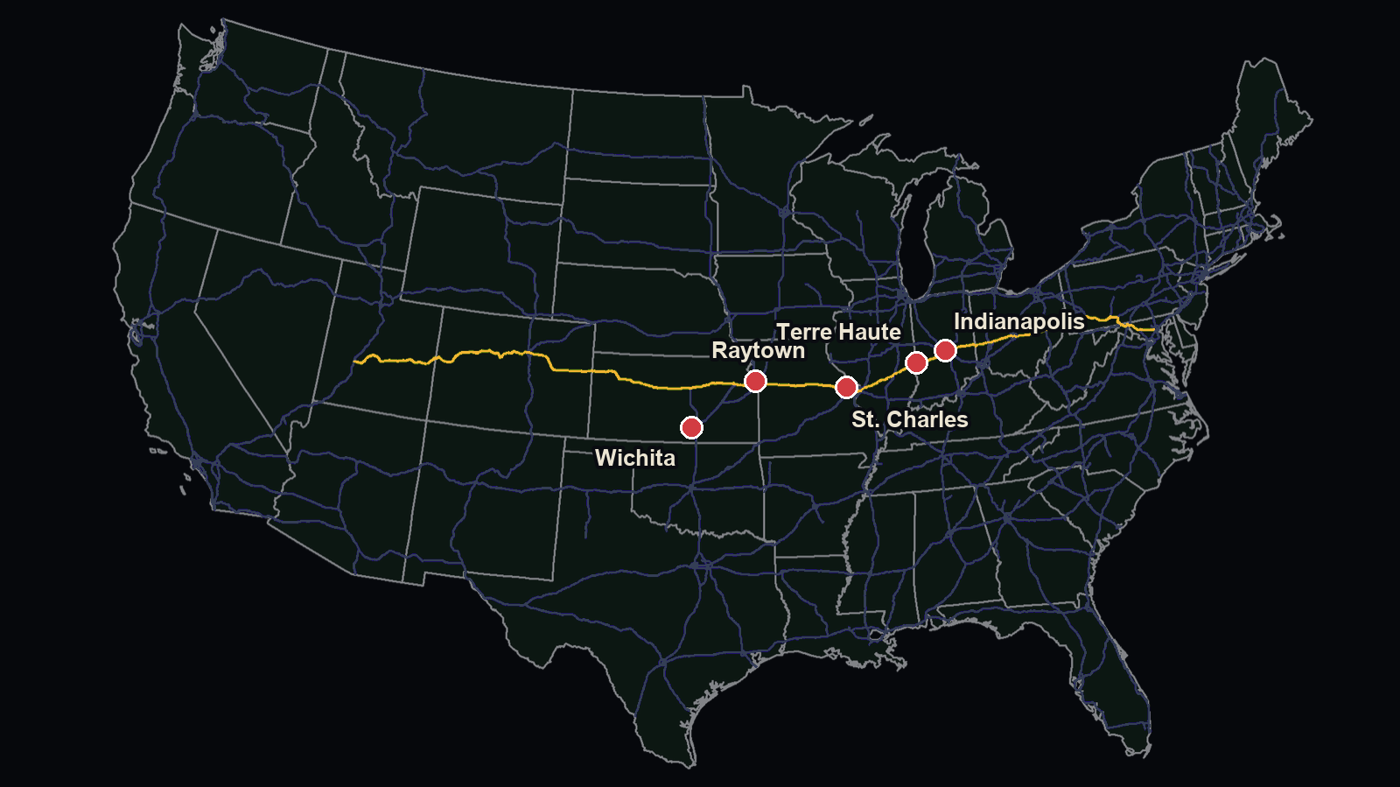
I-70 in amber, attack cities pinned (approx.) · base map Wikimedia Commons, CC0
1 · Apr. 8
Indianapolis, IN. First attack, on the Far Eastside.
2 · Apr. 11
Wichita, KS. 685 miles away, three days later.
3 · Apr. 27
Terre Haute, IN. Just north of I-70.
4 · May 3
St. Charles, MO. Near St. Louis.
5 · May 7
Raytown, MO. Kansas City area.
KMOV (2021); Indianapolis Star (2013); Wichita Eagle (2014)
Section 3 · Victims
The Victims (1 of 2)
Apr. 8, 1992 · Indianapolis, IN
Robin Fuldauer, 26
Manager of a Payless ShoeSource on Pendleton Pike. She was working alone because a coworker called out.
Apr. 11, 1992 · Wichita, KS
Patricia Magers, 32
Owner of La Bride d'Elegance bridal shop. One newspaper printed her age as 33, but most sources say 32.
Apr. 11, 1992 · Wichita, KS
Patricia Smith, 23
A bridal consultant at the shop and a Wichita State nursing student. The two women were killed together.
Indianapolis Star (2013); Wichita Eagle (2014); WTHR (2021)
Section 3 · Victims
The Victims (2 of 2)
Apr. 27, 1992 · Terre Haute, IN
Michael "Mick" McCown, 40
Worked at Sylvia's Ceramics, named for his mother. He was the only man killed.
May 3, 1992 · St. Charles, MO
Nancy Kitzmiller, 24
Worked alone at Boot Village. She loved maps and was close to a job with the Defense Mapping Agency.
May 7, 1992 · Raytown, MO
Sarah Blessing, 37
Co-owner of The Store of Many Colors, a shop opened about three weeks earlier. She was working alone.
KMOV (2021, 2022); Fox 2 (2025); KSDK (2021); POMC (2020)
Section 3 · Possible Additional Victims
Suspected, Not Confirmed
Texas · 1993 to 1994 · Disputed
- Mary Ann Glasscock, 51, Fort Worth, Sept. 25, 1993
- Amy Vess, 21 or 22 (sources differ), Arlington, Nov. 1, 1993
- Vicki Webb, 35, Houston, Jan. 15, 1994. She survived.
The shootings used a .22, but ballistics did not match the I-70 gun. Police are reportedly split on the link.
Terre Haute · 2001 · Under review
Store clerk Billy Brossman was shot in a store seven blocks from Sylvia's Ceramics.
Terre Haute police confirmed similarities and have a person of interest who is not in custody. They are examining it separately and have drawn no conclusions.
KMOV (2022); Indianapolis Star (2013); A&E (2024)
Section 3 · Crime Patterns
Why Investigators Link Them
Ballistics
All six killings were positively matched. The gun was a .22, possibly an Erma Werke ET22 or an Intratec Scorpion. The ammo was CCI .22 long rifle.
Place and people
Small specialty shops in strip malls near interstate exits. Most victims worked alone, mostly women. Wichita had two employees.
Method
Shot in the head. Victims were moved to back rooms. Only small amounts of cash taken. No sexual assaults.
McCown: Police think the killer may have mistaken him for a woman. He had long hair, and the shop was named "Sylvia's."
How it was found: A St. Charles detective matched his bullets to the Indianapolis case. That exposed the multi-state link.
AP/Columbia Missourian (2012); Indianapolis Star (2013); Fox 59 (2024); KMOV (2022)
Section 3B · Status of the Case
How Close Is It to Solved?
Ever close?
Never publicly. The nearest moments were the 2021 task force and the 2022 DNA tests. The first results had no definitive findings.
Suspects identified?
No one has been publicly identified as the killer. Several people were looked at and are covered next.
Arrests and charges
Arrested: none.
Charged: none.
A person being investigated is not guilty.
Persons of interest?
Yes. Past examples include Donald Waterhouse and a man tied to a 2001 Terre Haute case. Details on the next slides.
2021 task force
In Nov. 2021, about two dozen detectives from five agencies, plus FBI and ATF, met in St. Charles to share files and re-test evidence.
KSDK (2021); Fox 2 (2025); KMOV (2022)
Section 3B · Status of the Case
Evidence: Used and Missing
Evidence investigators used
- Ballistics from shell casings and bullets tied all six crimes together.
- Witness descriptions led to composite sketches, then age-enhanced ones in 2021.
- FBI profiles guessed at his age, job and home base.
- Touch DNA tests on old evidence began in 2021 and 2022.
What blocked a solve
- 1992 DNA testing was limited. Police said in 2012 there was no sexual crime and no usable prints.
- DNA tests so far have not produced a match.
- Few witnesses and no getaway car.
- Five agencies in three states, with no shared task force until 2021.
- Thousands of names and false confessions.
AP/Columbia Missourian (2012); KMOV (2022); KSHB (2024); A&E (2024); Men's Journal (2026)
Section 3C · Suspects & Persons of Interest (1 of 2)
People Investigators Considered
Donald Waterhouse
Who: A fugitive in spring 1992. His parents were shot in Tennessee about a month before.
Why considered: A composite sketch resembled him, and the timing fit.
Evidence for: Sketch resemblance only.
Against: KMOV reports he was cleared (it says 2012). Wikipedia cites height, age and hair differences. Sources differ.
Arrested for I-70: No. Eliminated: Reportedly yes.
Harry Edward Greenwell
Who: The "I-65 killer." DNA tied him to three motel killings in Indiana and Kentucky (1987 to 1990). He died in 2013.
Why considered: In 2022 a St. Charles detective said the time frame was hard to ignore and the sketches resembled him.
Against: That killer robbed and assaulted women. He was about 47 in 1992. The detective called it "preliminary."
Arrested for I-70: No. Eliminated: Not confirmed or ruled out.
KMOV (2022); firstalert4.com (2022)
Section 3C · Suspects & Persons of Interest (2 of 2)
More Names and Claims
Randall Bishop
Who: An Indiana truck driver who matched the composite.
For: The sketch match.
Against: The FBI questioned him in 2001. His DNA reportedly did not match (one source).
Arrested: No. Eliminated: Reportedly yes.
Unnamed 2001 man
Who: A man living in Missouri, tied to the Terre Haute killing of Billy Brossman.
For: Security video. Two people who knew him were "nearly certain" it was him.
Against: His DNA did not match. Police say the link to I-70 is unknown.
Arrested: No. Eliminated: Not officially.
"Joe" (2026 claim)
Unconfirmed
Who: An unnamed man. Reporter Bob Cyphers said on a podcast that police told him he was a suspect. He reportedly said "Charge me or I'm out of here."
Evidence: None public. Police have not confirmed it.
Arrested: No.
KMOV (2022); Men's Journal (2026). Being considered does not mean being guilty.
Section 4 · Evidence
The Evidence: Ballistics
FactThe gun
Police believe it was an Erma Werke ET22, a rare .22 semi-automatic. A 2012 release also named the Intratec Scorpion as possible.
FactThe ammo
CCI brand .22 rounds with copper-clad lead bullets were used in all six killings.
FactJeweler's rouge
A red powder on every casing tested as jeweler's rouge. The killer likely polished rounds so they chambered easily.
FactLinked in days
The same gun was used in Indianapolis, Wichita and Terre Haute. Ballistics later tied all six murders to it.
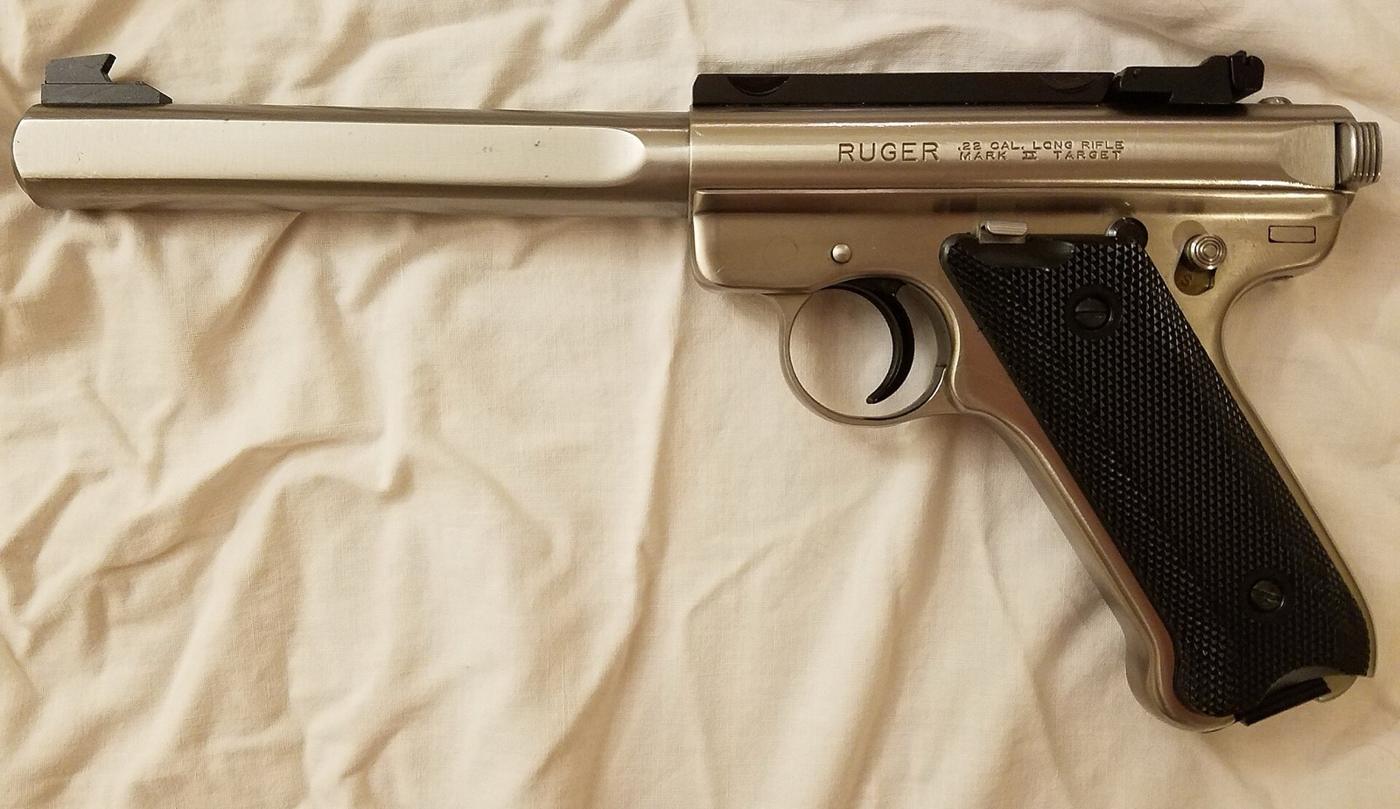
Illustrative .22 pistol, not the case weapon
Still exists today
Shell casings are held as evidence. St. Charles police also own an identical ET22 bought online.
KMOV / First Alert 4 (2022); Oxygen (2022); A&E (2024)
Section 4 · Evidence
Touch DNA: Saved Items
FactWichita · April 11, 1992
The wedding veil
The killer wrapped it around the gun to muffle shots. Detectives called it the best chance for touch DNA.
FactTerre Haute · April 27, 1992
McCown's pants
Michael McCown's wallet was missing. Police believe the killer reached into his pants, so they kept them.
Fact2022 results
Not definitive
First Terre Haute tests came back without definitive findings. By 2024 reports called the DNA "a dead end" so far.
Fact
Evidence from each scene was saved for 30 years. In 1992 labs could only use semen and saliva, so touch DNA could not be tested then.
KMOV / First Alert 4 (2022); A&E (2024); WTHI / Terre Haute reporting (2022)
Section 4 · Evidence
What Does Not Exist
FactNo fingerprints
No prints from the 1992 scenes are reported. In 2012 a Wichita lieutenant said there were no prints to work with.
FactNo video
No usable store video from the 1992 scenes is reported. The only clear tape is from a 2001 Terre Haute case police treat separately.
FactNo rape kit
No victim was sexually assaulted. No blood or semen from the killer has been reported, so there is no standard DNA sample.
Why it matters
Most solved cold cases start with a DNA profile from semen or blood. This case has none, so touch DNA and ballistics carry the weight.
A&E (2024); Columbia Missourian / AP (2012); KMOV / First Alert 4 (2022)
Section 4 · Evidence
Witnesses and Sketches
Official composite: see St. Charles PD release, Oct 2021
FactSketches were made from witnesses. Age-progressed versions came out in Oct 2021, estimating he is now 52 to 70.
FactWhat witnesses described
- White male, slim build, about 5'7", roughly 150 lb.
- Hair reported as dull red or sandy blond with a red tint.
- Wichita: a customer met him face to face. He is the only known person to do so.
- Raytown: a man in a gray sport coat, seen walking toward I-70.
- Sources differ on age and hair, so the sketch is a guide, not proof.
KWCH (2021); WRTV (2021); KMOV / First Alert 4 (2022)
Section 4 · Evidence
Behavioral Evidence
FactVictim selection and stores
- Mostly small-framed women working alone.
- Shoe store, bridal and tuxedo shops, ceramics shop, boot store, craft store.
- Busy daytime areas near I-70 exits. Little money taken.
- Victims were led to back rooms and shot with the same .22.
FactTiming: 29 days, 5 cities
Gaps of 3, 16, 6 and 4 days. About 700 miles lay between the first two scenes.
Wichita Eagle / Active Age (2024); A&E (2024); KMOV / First Alert 4 (2022)
Section 4 · Theories
Fact vs Theory vs Speculation
FactSupported by reliable evidence.
- One gun, an Erma Werke ET22 type .22, was matched to all six murders.
- Red jeweler's rouge was found on the casings.
TheoryAn explanation not yet proven.
- The killer wanted the thrill of killing, per the FBI profile.
- He lived near Indianapolis and drove out and back.
SpeculationLittle or no reliable evidence.
- Neal Falls was the killer. No evidence links him.
- The 2026 "Joe" claim, which is podcast hearsay and unconfirmed.
FBI profile via KMOV (2022); CBS News (2015); Men's Journal (2026)
Section 4 · Theories 1 and 2
Traveler and Texas Link
Theory 1A traveler or trucker
What: He worked or drove along I-70 and hit shops near exits.
Supporters: FBI profiler Larry Ankrom ("jobs on the road"); investigators.
For: One gun linked cities hundreds of miles apart within days.
Against: The FBI profile placed him near Indianapolis. No getaway vehicle was seen. "Trucker" is speculation.
4/5. The distances and exits fit a driver.
Theory 2Texas 1993-94 killings
What: The same man killed in Fort Worth and Arlington and shot a survivor in Houston.
Supporters: Some police; the split is about 50-50.
For: Small stores near interstates, head shots, a .22, little money taken.
Against: Ballistics did not match. A gap of about 500 days.
2/5. The pattern fits, but a different gun is hard physical evidence.
A&E (2024); Oxygen (2022); KMOV / First Alert 4 (2022)
Section 4 · Theories 3 and 4
Motive and Where He Went
Theory 3Thrill vs robbery vs women
What: Why he killed. Supporters: St. Charles detectives and the FBI.
Thrill: "The act of the killing, not the robbery." Strongest.
Robbery: Little cash taken, a purse left. Weak.
Targeting women: Most victims were women, but hatred is unproven. Police think he may have mistaken McCown, who had long hair, for a woman.
4/5 for thrill. Robbery 1/5, women-targeting 3/5.
Theory 4Dead or jailed
What: The killings stopped because he died or went to prison.
Supporters: Some investigators; Ankrom thinks he is alive.
For: It would explain the sudden silence after 29 days.
Against: A 2001 Terre Haute killing has similarities, so he may not have stopped. Nothing proves it either way.
3/5. It can't be tested, but a jailed man's DNA could be checked.
KMOV / First Alert 4 (2022); A&E (2024); Oxygen (2022)
Section 4 · Theory 5
Named-Suspect Theories
GreenwellI-65 killer
Supporters: St. Charles Det. Raymond Floyd (2022, "preliminary"). For: time frame, sketch resemblance. Against: he robbed and assaulted women, was about 47 in 1992, and died in 2013.
1/5. Crime type differs.
WaterhouseFugitive in 1992
Supporters: Early tips. For: sketch resemblance, on the run that spring. Against: KMOV reports he was cleared in 2012.
1/5. Cleared by investigators.
"Joe" claim2026 podcast
Supporters: One journalist, on a podcast. For: he says police questioned a man who said "Charge me or I'm out of here." Against: no police agency confirmed it. No name.
Not rated. Hearsay, not evidence.
KMOV / First Alert 4 (2022); Men's Journal via Yahoo (2026)
Section 5 · Forensic Science & Technology
Forensic Science in 1992
Ballistics
Examiners compared bullets and casings under a comparison microscope. This is how police learned one gun was used in three cities.
Early DNA
RFLP testing needed a large, clean sample like blood or semen. CODIS did not exist until 1998. Touch DNA could not be tested.
Fingerprints
Searches were manual or early AFIS. The national system (IAFIS) started in 1999. No 1992 prints are reported.
Sketches & sharing
Composites were hand drawn from memory. ViCAP existed (1985) but was voluntary, and NIBIN came in the late 1990s.
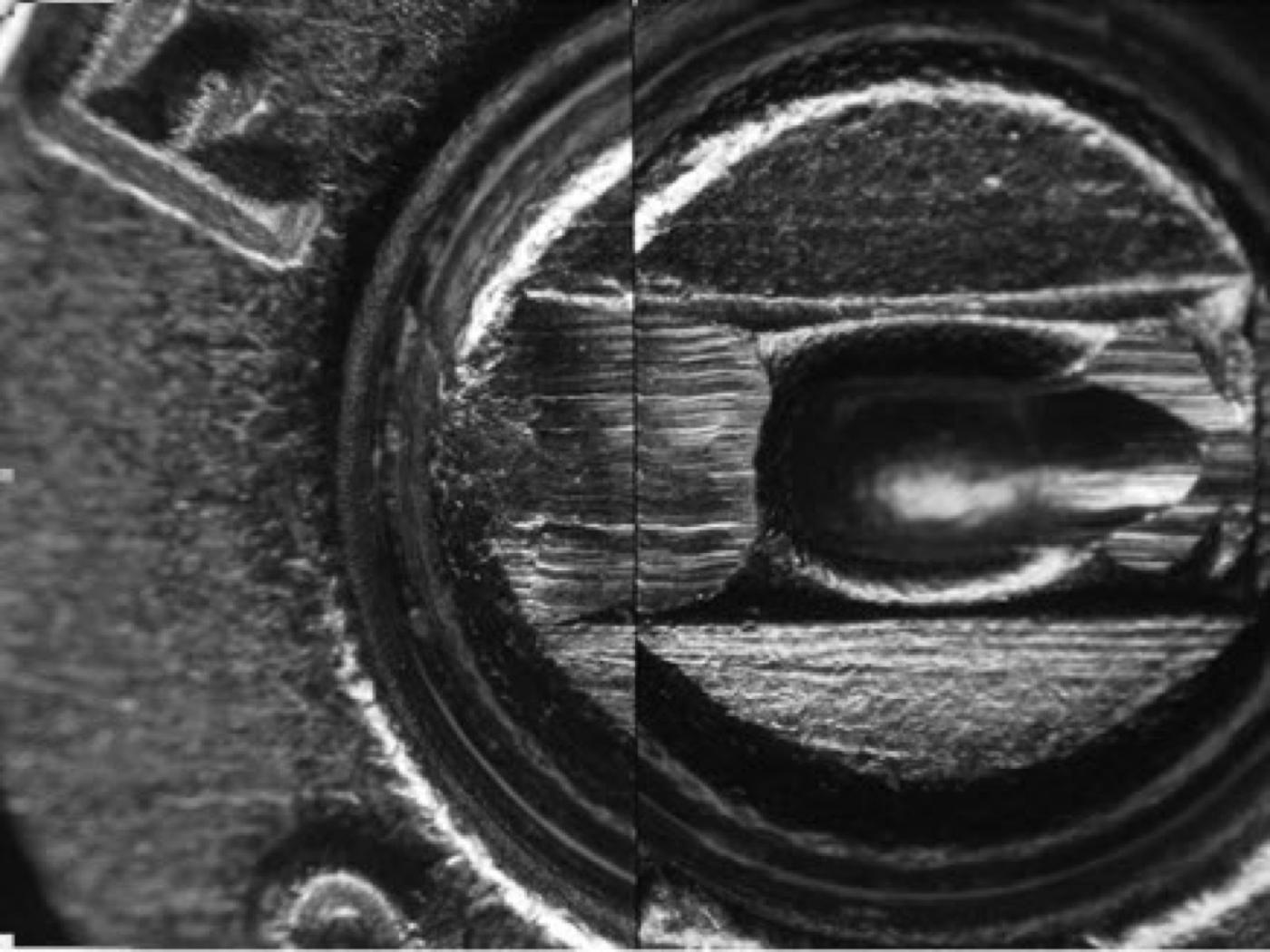
Comparison microscope · ballistics
NCBI/NAP DNA report; FBI CODIS and NGI pages; ATF NIBIN fact sheet; FBI ViCAP; KMOV (2022)
Section 5 · 1992 vs 2026 · Part 1 of 4
1992 vs 2026: DNA
| Tool | In 1992 | In 2026 | For this case |
|---|
| DNA analysis | RFLP and brand new PCR. Needed visible blood or semen. Labs were slow. | STR + PCR is routine. Sequencing works on tiny samples. | No semen or blood reported, so the case needs low-level methods. |
| Touch DNA | Not usable. Testing was limited to semen and saliva. | Skin-cell profiles can be built from handled objects. | Best hope: the Wichita veil and McCown's pants. |
| Genetic genealogy | Did not exist. | Over half a million SNPs searched against family trees. Works with distant cousins. | Most powerful tool, but it needs a killer DNA profile first. |
| CODIS | Not yet built. A 14-lab pilot began in 1990. | National database since 1998. 20 core loci required since 2017. | Helps only if an STR profile exists and he or a close relative is in it. |
NCBI (NAP) DNA report; FBI CODIS (le.fbi.gov); NHGRI; NIJ; KMOV (2022)
Section 5 · 1992 vs 2026 · Part 2 of 4
1992 vs 2026: Prints & Data
| Tool | In 1992 | In 2026 | For this case |
|---|
| Fingerprint databases | Manual or early AFIS. | FBI NGI. Accuracy rose from 92% to over 99.6% in 2011. | No prints reported, so little to search. Cheap to double check. |
| Facial recognition | None. Hand-drawn composites only. | Software can match sketches to photo databases. | Gives a candidate list at best. The 2001 Terre Haute video is a clearer image. |
| Digital forensics, cell & location data | About 11 million US cell users. Rare. | Phones, apps and tower records are routine evidence. | Low use. No sign he had a phone, and old records are gone. |
| Surveillance cameras | No usable store video reported. | Cameras and plate readers are everywhere. | Today he would likely be filmed. That is part of why he escaped then. |
FBI NGI (2011); Han et al., IEEE (2012); NY Times (1993); KMOV (2022)
Section 5 · 1992 vs 2026 · Part 3 of 4
1992 vs 2026: Systems
| Tool | In 1992 | In 2026 | For this case |
|---|
| Artificial intelligence | None. | Text analytics can scan old case files for links. Still mostly in research. | Could search St. Charles's thousands of files. Lead generator only. |
| Databases: ViCAP & NIBIN | ViCAP was voluntary. NIBIN did not exist. | NIBIN ranks casing images across the country. ViCAP compares behavior patterns. | Strongest untested lead. Whether the casings are in NIBIN is not reported. |
| Geographic profiling | Rossmo's model was first published in 1993. | Software maps a likely base of operations. | Hard on a 700-mile corridor. Use it to rank exits and stores. |
| Toxicology Low relevance | Basic drug and alcohol tests. | Far more sensitive tests. | Cause of death was gunshots. Toxicology cannot name the shooter. |
DOJ AI report (2024); NIJ; ATF NIBIN; FBI ViCAP; Rossmo (1993)
Section 5 · 1992 vs 2026 · Part 4 of 4
1992 vs 2026: New Testing
| Method | What it does | Use here |
|---|
| WGS / SNP of degraded touch DNA | Sequences very small or damaged samples. One lab case used fewer than 20 cells. | Best fit for the veil and pants. A different test than the STR work that hit a dead end. |
| M-Vac wet vacuum | Pulls up about 12 times more DNA than swabbing on porous items (FBI study). | Possible on fabric, after gentler options. Can add mixtures. |
| Probabilistic genotyping | Software that reads mixed or weak DNA using all the data. | Sorts the killer from victims and handlers. |
| DNA phenotyping | Predicts eye and hair color from DNA. Face prediction is unreliable. | Could settle red vs sandy blond hair, if DNA exists. |
| 3D ballistic imaging | Scans casings in 3D for NIBIN. | Re-scan all casings and the reference ET22. |
Illumina/Othram (2021); PMC FBI M-Vac study (2020); NIJ; NIST; Cell (2016)
Section 5 · Proof It Works
Old Cases, New Science
2025 · Austin, TX
Yogurt shop murders
A cold-case detective resubmitted a 1991 casing to NIBIN in June 2025. It had not been entered in years. In July it matched a 1998 Kentucky murder. A Y-STR DNA match then pointed to Robert Eugene Brashers, who died in 1999.
2022 · Indiana & Kentucky
Harry Greenwell, I-65
The FBI's genealogy team helped Indiana State Police identify Greenwell as the I-65 killer of motel clerks (1987 to 1990). He died in 2013. Kinship testing confirmed it. Ballistics had linked two of the murders.
2018 · California
Golden State Killer
Crime-scene DNA matched a distant relative on GEDmatch. Investigators narrowed by age and location, then confirmed with a discarded item. Joseph DeAngelo, 72, was tied to 12 murders and 50+ rapes.
ABC News, AP (2025); WKYT (2026); FBI Indianapolis, AP (2022); ABC30, Boston Globe (2018)
Section 5 · If the Case Were Reopened Today · 1 to 4
Reopened Today: Part 1
1. What evidence still exists?
Evidence from each scene was saved for 30 years. Named items: the Wichita veil, McCown's pants, casings with red jeweler's rouge, and a reference ET22 bought by St. Charles police.
2. Could it be tested again?
Yes, and some was. A Terre Haute item went to a Florida lab in 2022. Results: "no definitive findings," then "a dead end." Limit: testing uses up the sample.
3. Could newer DNA techniques be used?
Possibly. The 2022 work sounds like standard STR testing. Sequencing (SNP) methods are different. Whether they were tried is not reported.
4. Could genetic genealogy help?
Only if testing recovers the killer's DNA. No blood or semen was reported, so this is a real risk. If a profile appears, it is the strongest tool there is.
KMOV (2022); WTWO (2022); A&E (2024, updated 2026); NIJ; DOJ policy (2019)
Section 5 · If the Case Were Reopened Today · 5 to 7
Reopened Today: Part 2
5. Modern databases?
Yes. Re-scan casings in NIBIN, as Austin did in 2025. Enter all cases in ViCAP, plus the 2001 and Texas cases as "possibly linked." Whether this was done is not reported.
6. Identify or eliminate suspects?
Eliminate: yes, with DNA. The 2001 Terre Haute man's DNA did not match. Identify: only through DNA, genealogy, a NIBIN hit traced to a gun owner, or a tip.
7. What else is needed?
At least one of these: a DNA profile of the killer, the ET22 or casings matched to the scenes, a tip from someone who knew about the gun, or a clear photo or video.
ABC News (2025); KMOV (2022); InsideHook (2022); A&E (2024)
Section 5 · Looking Ahead
Technology Beyond 2026
Theory These are my reasoned predictions, not facts.
Less DNA needed
One vendor already claims usable genealogy profiles from very low coverage. If this keeps improving, samples that fail today may work in 5 to 10 years.
Bigger family-tree databases
More people testing means closer relatives. The Golden State match needed only a distant one. Laws may tighten, though.
Objective 3D matching
NIST is building 3D toolmark data to give ballistic matches a measured confidence. Worn or poorly imaged casings could be read better.
AI case linking, with limits
AI could link old files across five agencies. Experts warn about validation. Age-progression of faces is unproven. Phone data will not help a 1992 case.
Astrea Forensics; NIST (2020); DOJ and NIJ AI reports; Illumina (2021)
Section 6 · Suspect Elimination
Who Has Been Eliminated?
EliminatedDonald Waterhouse
Why a suspect: His parents were shot in Tennessee a month before. A composite looked like him.
Connection: He was a fugitive that spring. Found Oct 1992 after an America's Most Wanted tip.
Result: Cleared in 2012, per KMOV. Never charged.
Evidence points awayTexas killings
Why a suspect: Similar shops, .22 caliber, head shots, 1993-94.
Connection: Fort Worth, Arlington and Houston attacks near interstates.
Result: The gun did not match the I-70 ballistics. Police are still split.
Not eliminated, not confirmedHarry Greenwell
Why a suspect: The I-65 killer, tied by DNA to three motel killings (1987-90). Died 2013.
Connection: Time frame and sketch resemblance.
Result: "Preliminary" in 2022. Age and crime type differ. No later update.
KMOV / First Alert 4 (2022); A&E (2024)
Section 6 · Suspect Elimination
Weak Leads and the Key Question
UnsupportedHerb Baumeister
A KMOV feature raised him because he traveled I-70 and partly resembled the sketch. He was taller, with no physical evidence. He is usually tied to the separate "I-70 Strangler" case of men, which is a different crime.
SpeculationNeal Falls
Listed in the same feature. Police had no physical evidence linking him to the early cases. He died in 2015, and CBS never links him to I-70.
Think like a forensic scientist: what evidence changed the direction?
- Ballistics (days): One gun in Indianapolis and Wichita proved a serial killer.
- Texas mismatch: A different gun weakened that link.
- Sketches: Gave the public a face, and a way to rule people out.
- 2021 task force and 2022 DNA: New testing began, but results were not definitive.
KMOV / First Alert 4 (2022); CBS News (2015); A&E (2024)
Section 7 · Case Timeline · Part 1 of 4
29 Days in 1992
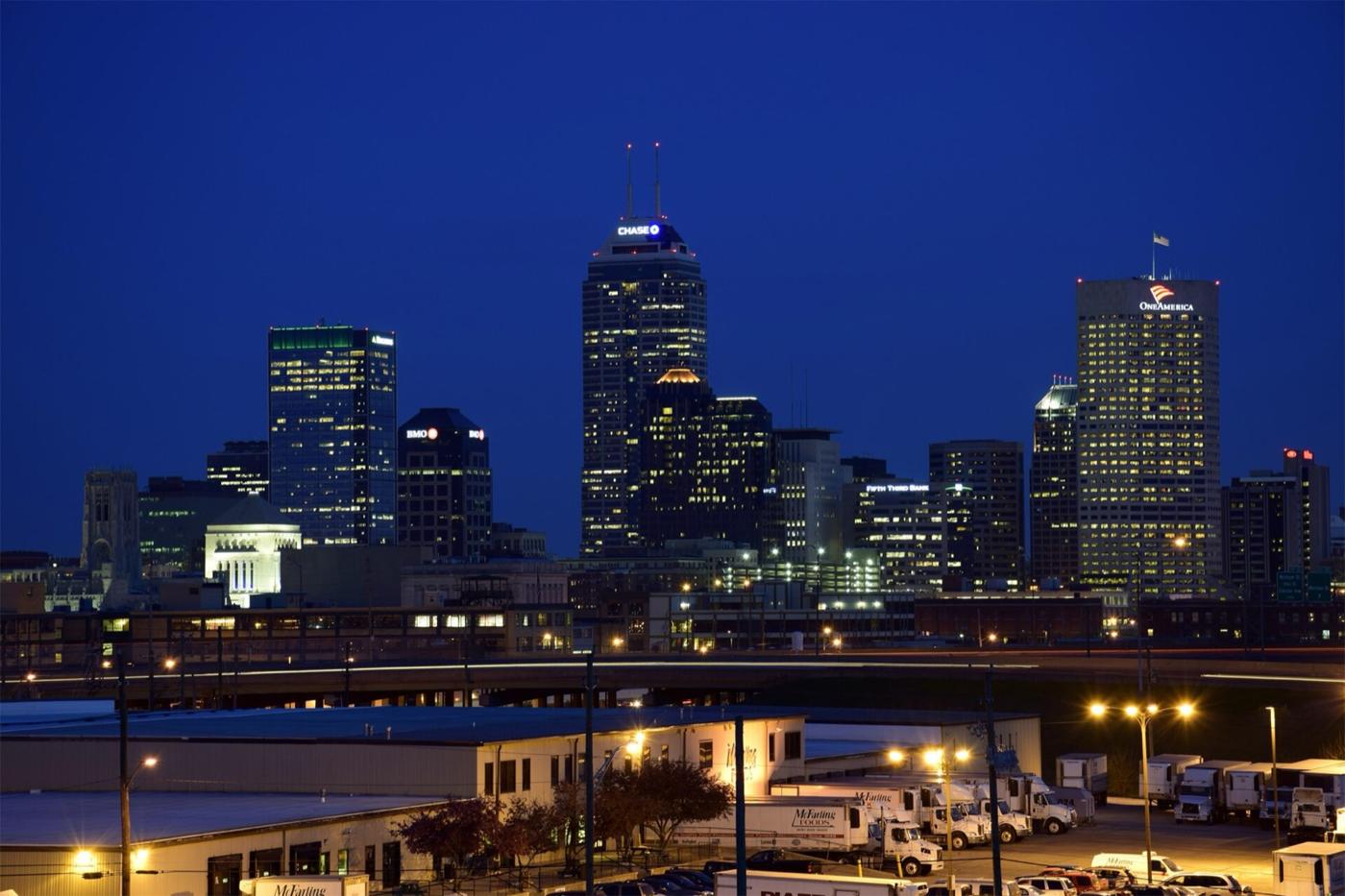
Apr 8, 1992
About 1:30 to 2 p.m. · Indianapolis, IN
Robin Fuldauer, 26, is shot while working alone at a Payless ShoeSource on Pendleton Pike.
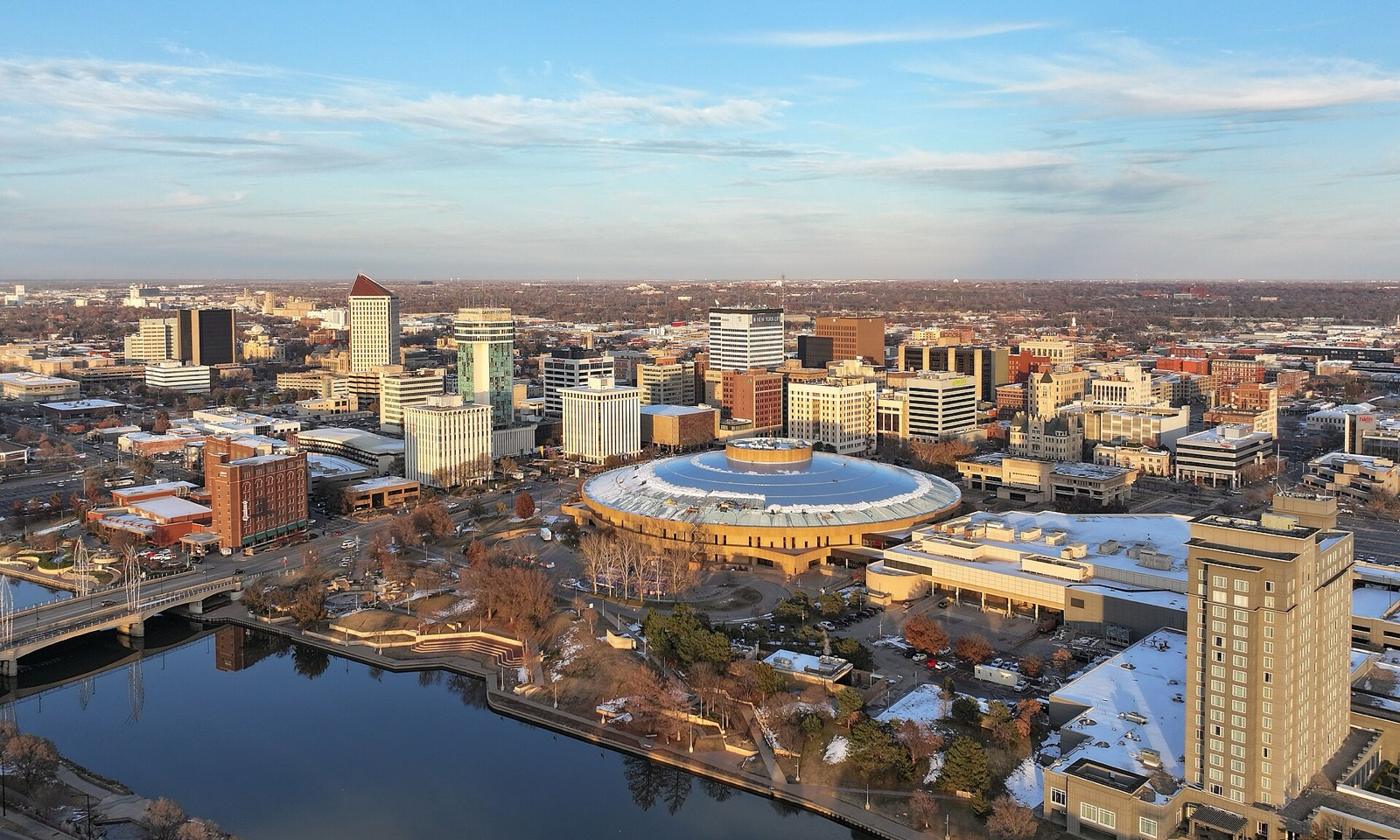
Apr 11, 1992
After 6 p.m. · Wichita, KS
Patricia Magers, 32, and Patricia Smith, 23, are shot at a bridal shop after staying late for a customer.
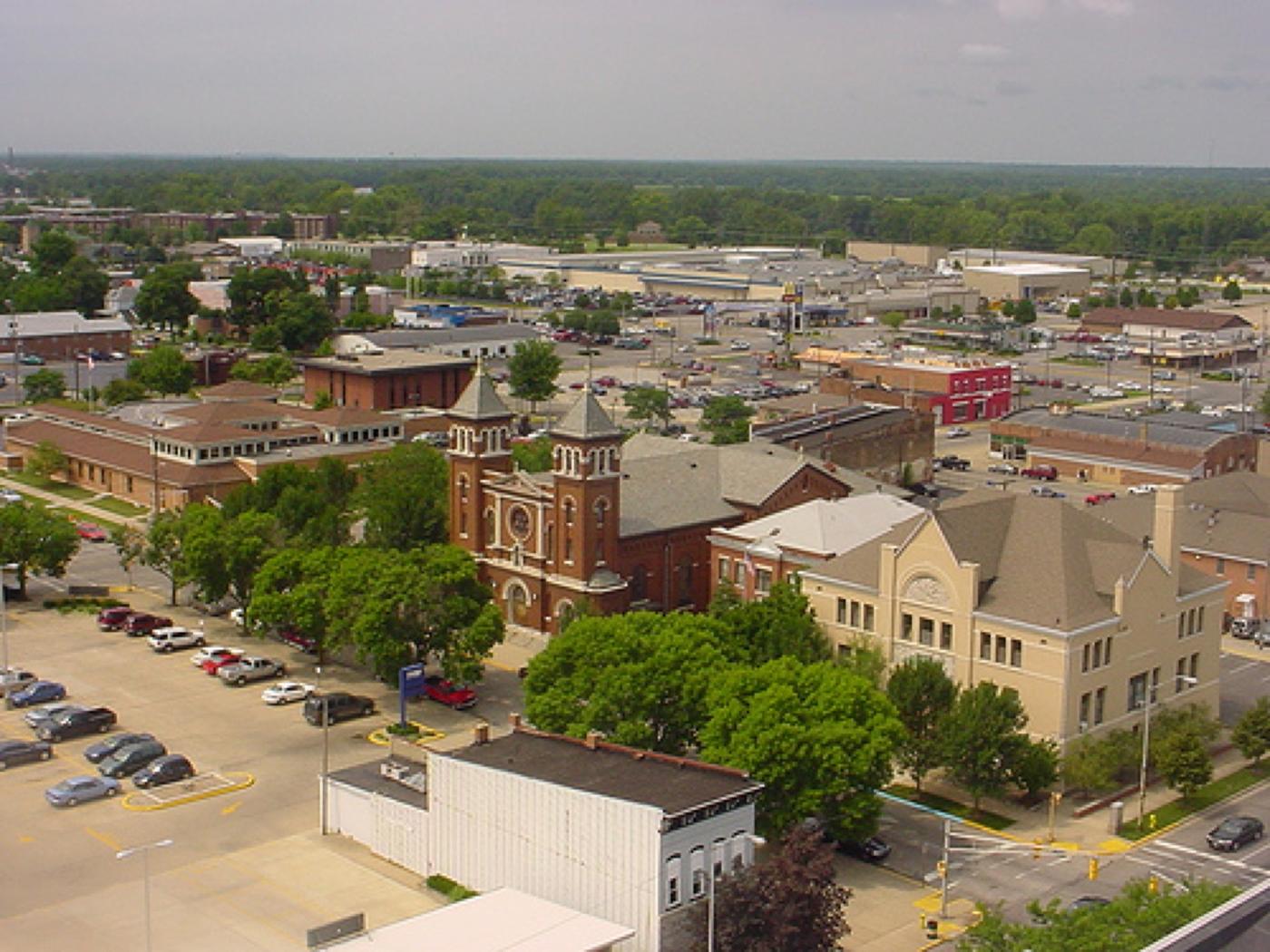
Apr 27, 1992
Just after 4 p.m. · Terre Haute, IN
Michael McCown, 40, the only male victim, is shot at Sylvia's Ceramics, just north of I-70.
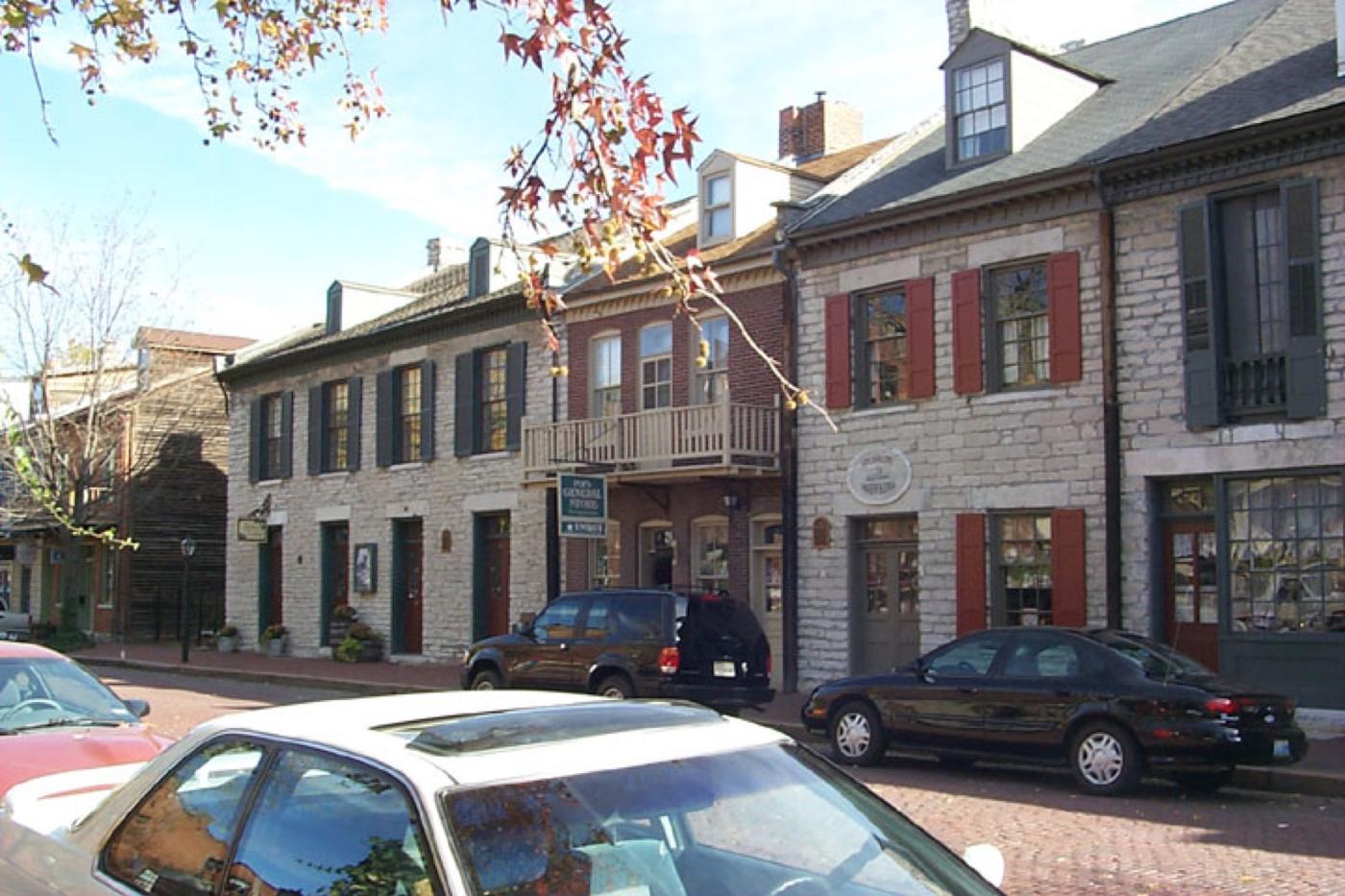
May 3, 1992
Afternoon · St. Charles, MO
Nancy Kitzmiller, 24, is found shot in the back room of Boot Village. Exact time is not confirmed.
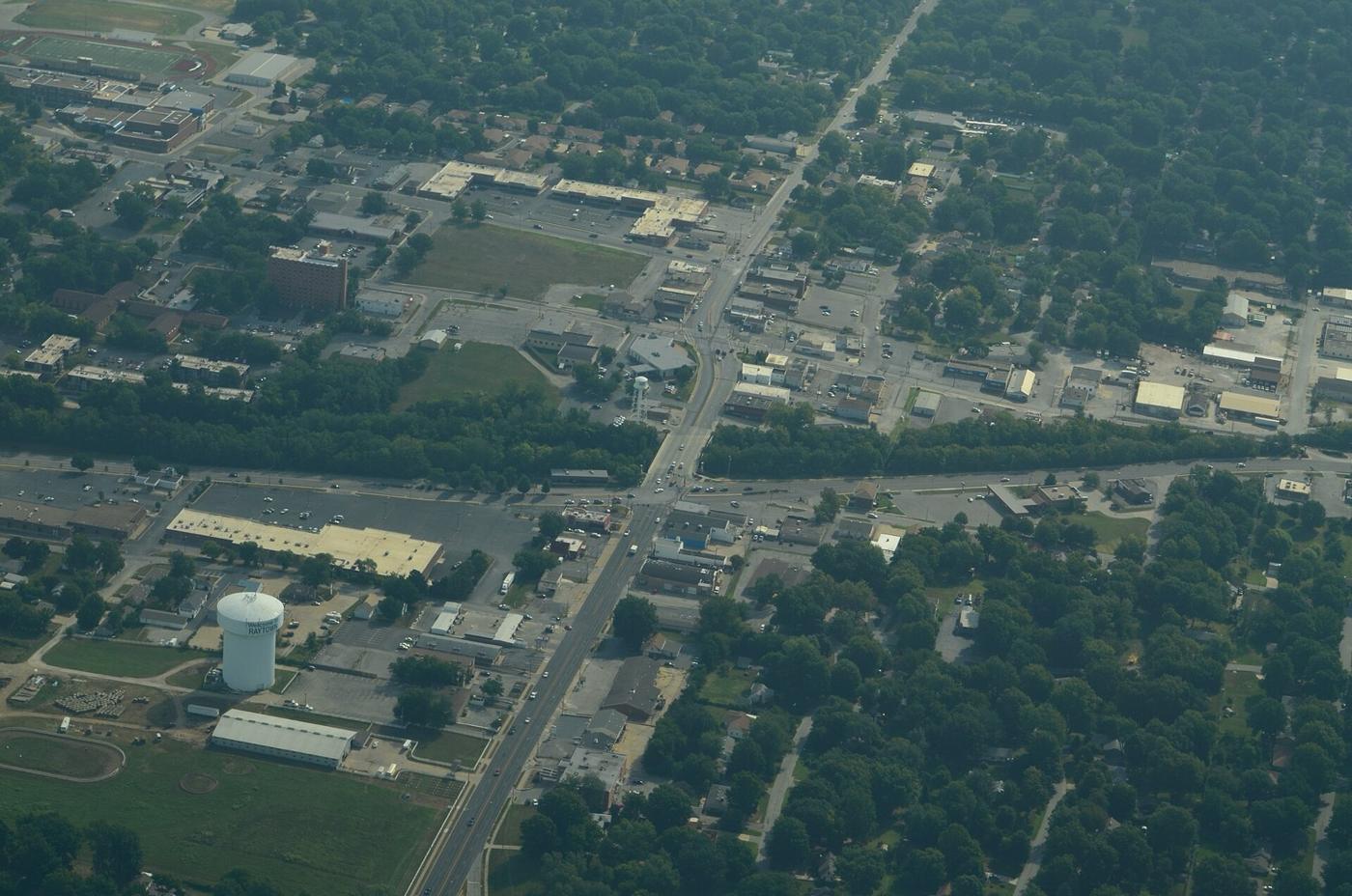
May 7, 1992
About 6:15 to 6:30 p.m. · Raytown, MO
Sarah Blessing, 37, is shot at The Store of Many Colors. This is the last attack in the series.
Indianapolis Star (2013); Wichita Eagle (2014); KMOV (2021, 2022); Fox 2 (2025)
Section 7 · Case Timeline · Part 2 of 4
Linking the Cases
1992
Turning point · Ballistics
A St. Charles detective matches bullets with the Indianapolis case. Police later say all six killings link by ballistics.
1992
Witnesses and sketches
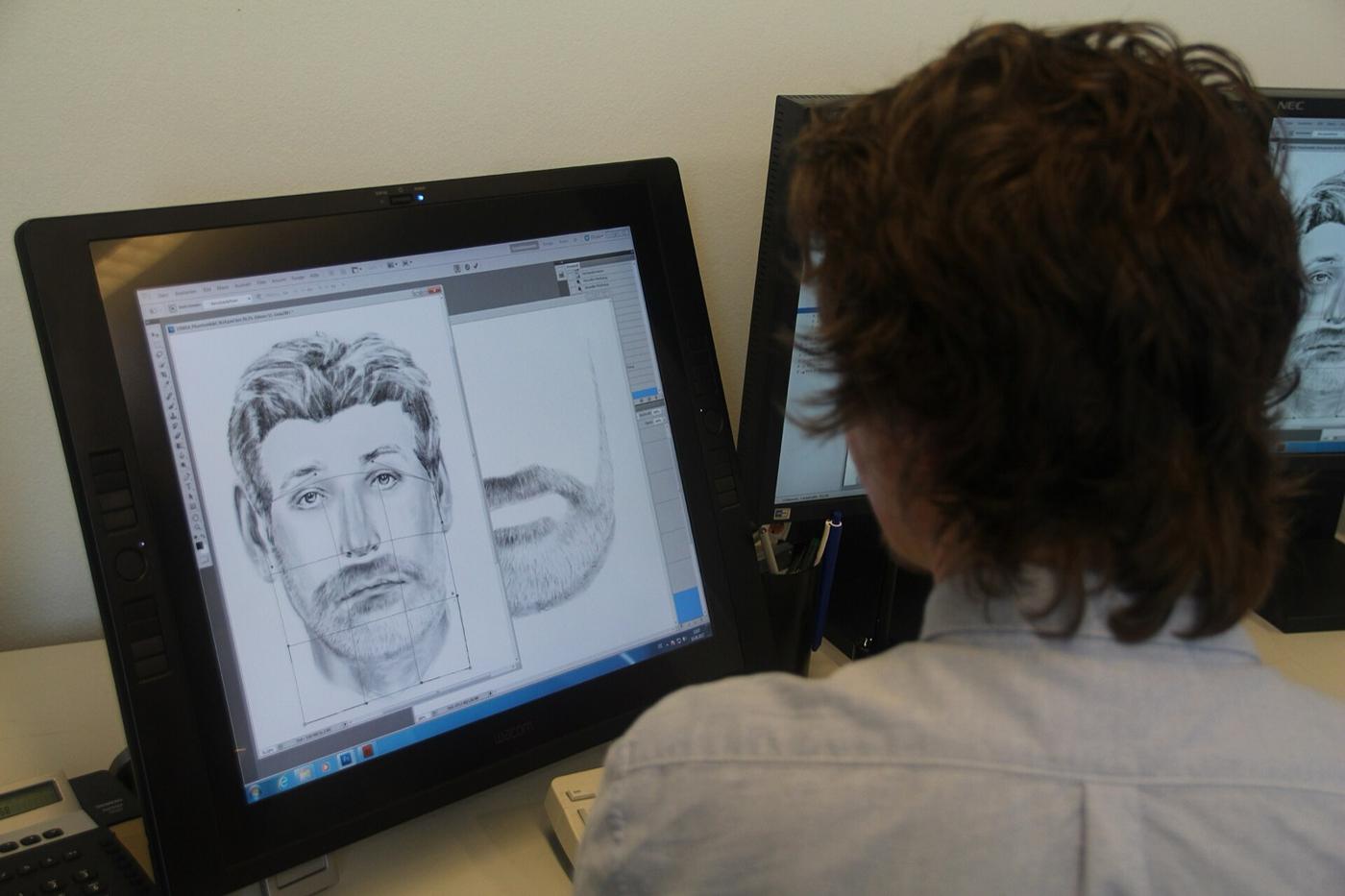
The Wichita customer and a St. Charles witness help produce two composite sketches. Raytown has the most witnesses.
1992
FBI profile and task force
FBI profilers study the cases and a task force forms. It guesses a man in his late 20s or early 30s tied to Indiana.
Sept 1993 to Jan 1994
Possible link · Texas
Three shootings in Fort Worth, Arlington and Houston look similar. Ballistics show a different gun, so police are split.
Nov 30, 2001
Possible link · Terre Haute
Clerk Billy Brossman is shot in a store seven blocks from Sylvia's. Police see similarities. Not confirmed.
St. Charles PD via WRTV (2021); Fox 59 (2024); KMOV (2022); Indianapolis Star (2013)
Section 7 · Case Timeline · Part 3 of 4
Quiet Years, New Push
May 2, 2012
20th anniversary
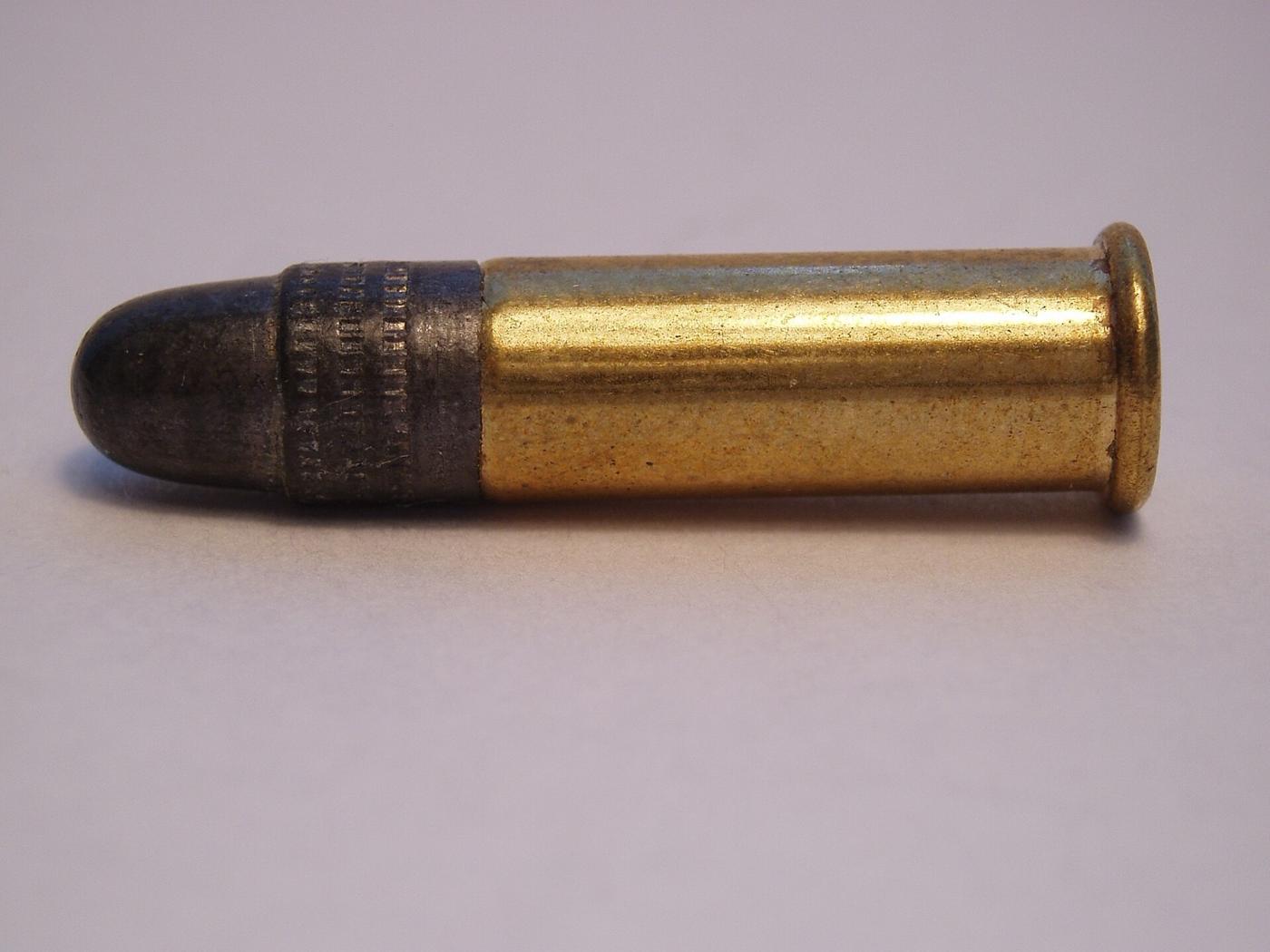
St. Charles police release new details on the gun and ammunition. Wichita says DNA is "out of the question."
2012
Suspect cleared
Donald Waterhouse, a person of interest because a sketch resembled him, is cleared, KMOV reports.
By 2013
Task force ends
The original task force, once holding about 67,000 names, is dissolved. Detectives still work the case.
Oct 19 to 20, 2021
Age-progressed sketches
St. Charles PD releases age-enhanced sketches. They estimate the killer is now about 52 to 70.
Nov 2 to 3, 2021
Task force relaunch · St. Charles
About two dozen detectives, plus ATF and FBI, meet to compare notes and plan DNA re-testing. Det. Kim Rhodes becomes full-time lead.
AP via Columbia Missourian (2012); KMOV (2022); Indianapolis Star (2013); KSDK (2021); WRTV (2021)
Section 7 · Case Timeline · Part 4 of 4
Status in 2026
Nov 2021
DNA testing begins
Terre Haute submits one piece of 1992 evidence for DNA testing. St. Charles opens an online tip portal.
Apr 28, 2022
Touch DNA · Florida lab
Terre Haute evidence goes to a Florida lab. Police believe the suspect touched it. Results are not public.
Apr 2022
Greenwell considered
The late I-65 killer, Harry Greenwell, is looked at as a possible suspect. Police call it preliminary.
Feb 2024 to Aug 2025
Still active
The task force keeps taking tips. In Aug 2025 the $25,000 reward still stands. No suspect is named.
2026
Open · Unsolved
No arrests at 34 years. A reporter's July 2026 claim of a questioned man is unconfirmed by police.
WTWO (2022); KSHB (2024); Fox 2 (2025); Men's Journal via Yahoo (2026)
Section 8 · The ABCs · A to H
The ABCs of the I-70 Killer
A
ATF
ATF agents joined the 2021 summit of detectives in St. Charles.
B
Ballistics
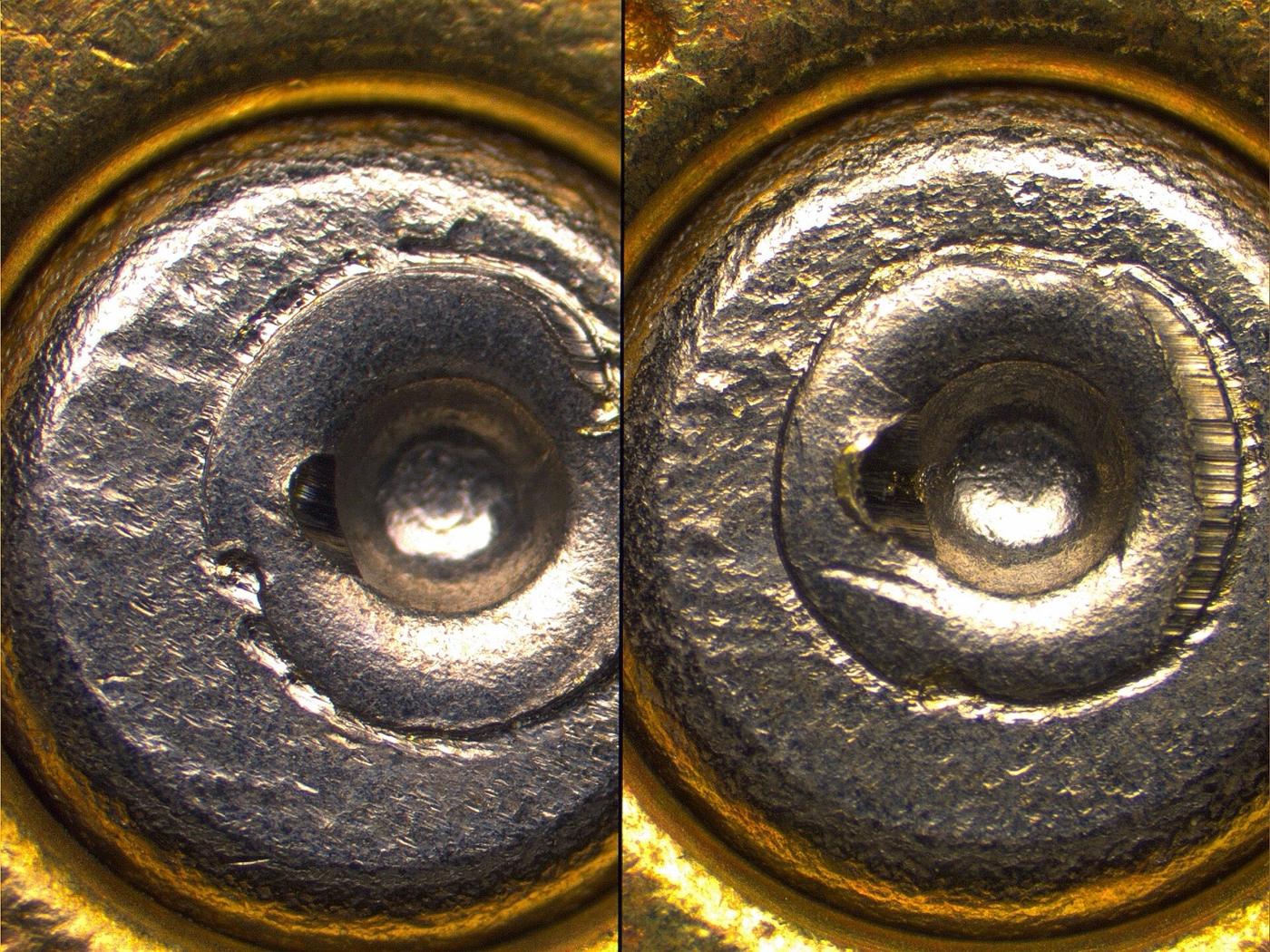
Matching bullets linked all six killings. Boot Village in St. Charles was one scene.
C
CCI Ammunition
The shots were .22 long rifle rounds made by CCI. Composite sketches are also key.
D
DNA
No DNA match has been found. Touch DNA testing began in 2021 and 2022.
E
Erma Werke ET22
Police think this rare German pistol is the most probable gun. About 6,500 were made.
F
FBI Profile
Profilers guessed a man in his late 20s or early 30s who lived or worked in Indiana.
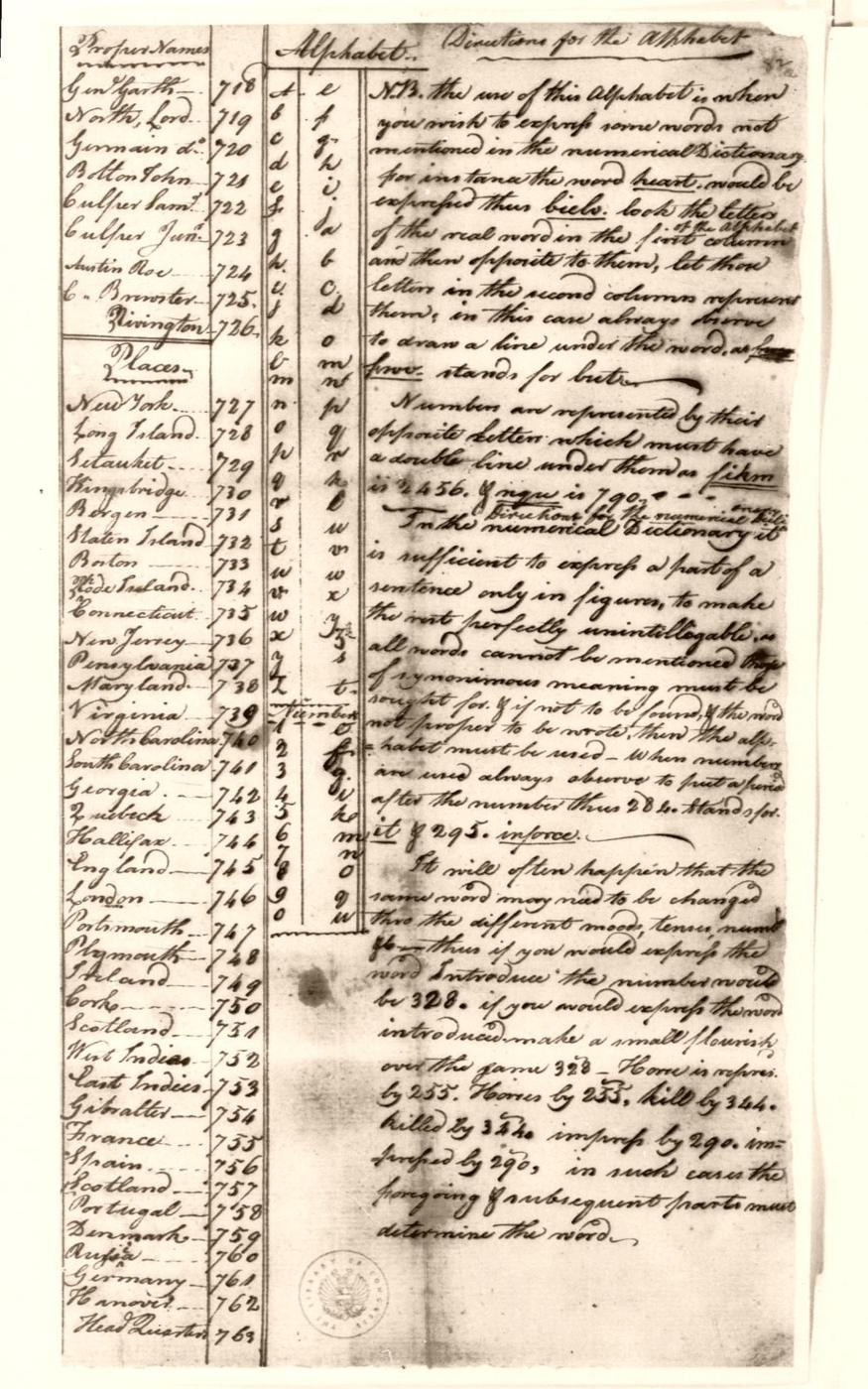
G
Genetic Genealogy / Greenwell
Genealogy identified the I-65 killer Greenwell. Police called a link to I-70 preliminary.
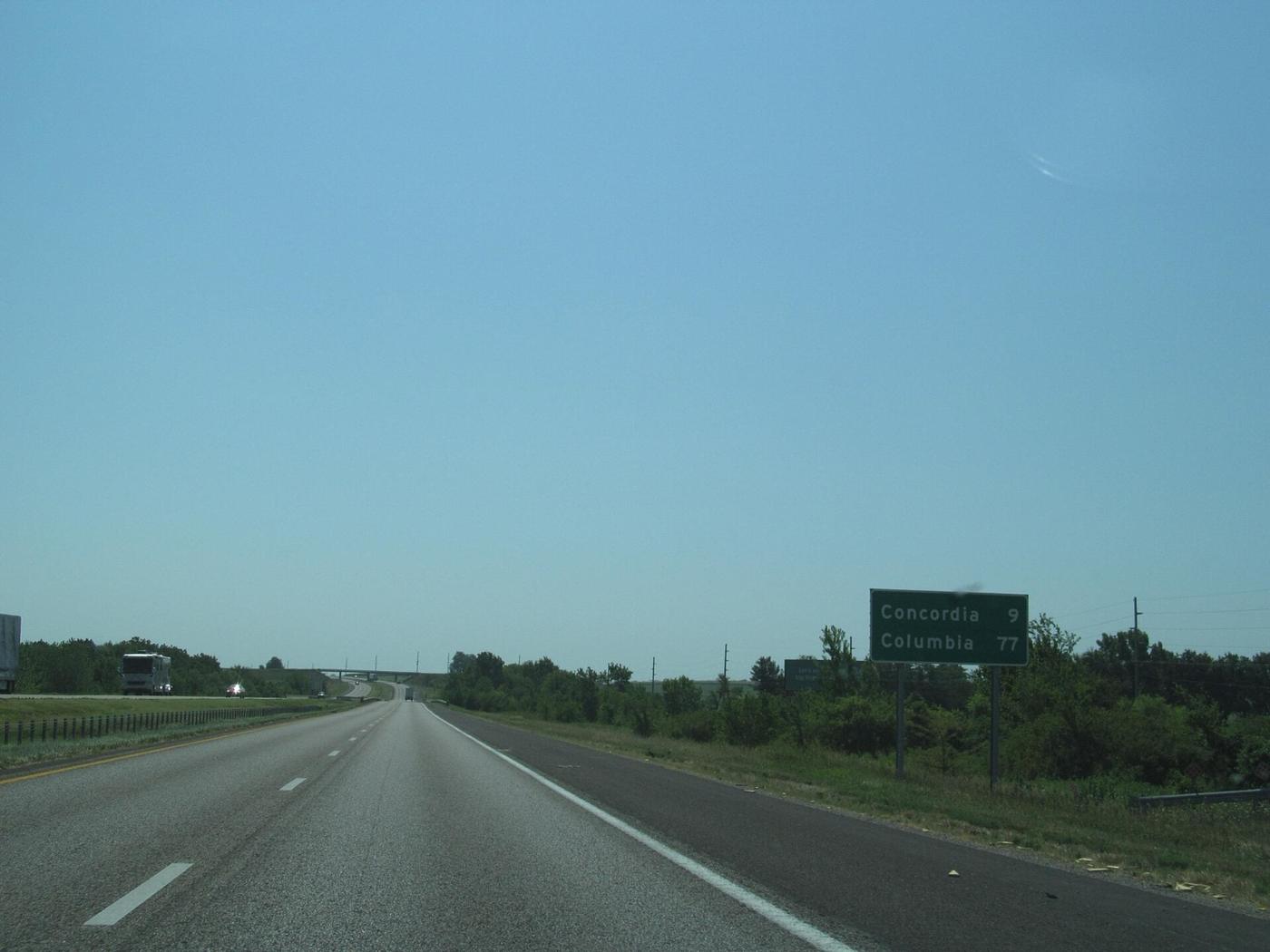
H
Highway
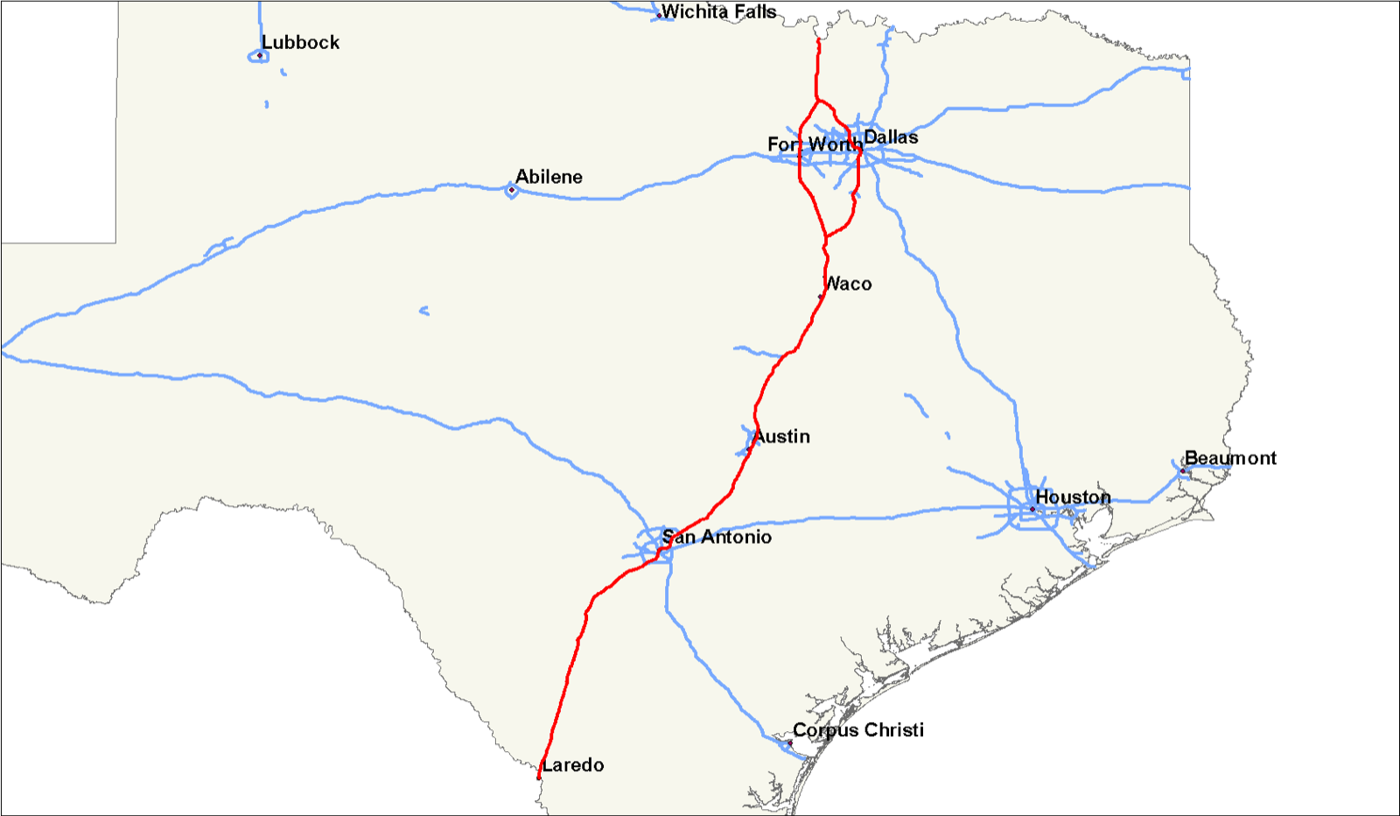
Every shop sat in a strip mall along I-70 or I-35. The road is the common thread.
St. Charles PD via WRTV and Fox 2; KMOV (2022); Indianapolis Star (2013)
Section 8 · The ABCs · I to P
The ABCs, Continued
I
Indianapolis
The first victim, Robin Fuldauer, was shot here on April 8, 1992.
J
Jeweler's Rouge
Red rouge was found on the casings. KMOV says the killer likely polished rounds with it.
K
Kitzmiller
Nancy Kitzmiller, 24, loved maps and was weeks from a federal job check.
L
La Bride d'Elegance
The Wichita bridal shop where Patricia Magers and Patricia Smith were killed. Some outlets print "La Bridal."
M
McCown
Michael McCown was the only male victim. Police think the killer mistook him for a woman.
N
NIBIN
ATF's casing database. No source says if these casings were ever entered.
O
Open Case
All five local agencies still hold the case open. St. Charles PD leads.
P
Payless ShoeSource
The Indianapolis store was on Pendleton Pike. It no longer exists.
Indianapolis Star (2013); Wichita Eagle (2014); KMOV (2021, 2022); KSHB (2024)
Section 8 · The ABCs · Q to X
The ABCs, Continued
Q
Questions
Who was he? Is there usable DNA? Are Texas and the 2001 case his? All still open.
R
Raytown / Reward
Sarah Blessing died in Raytown, MO. St. Charles PD offers a $25,000 reward.
S
St. Charles / Sketch
St. Charles PD leads the case and released the age-enhanced sketches in 2021.
T
Terre Haute, Task Force, Texas
Terre Haute lost McCown. The task force shares leads. Texas is only a possible link.
U
Unsolved
No suspect has been publicly named after more than three decades.
V
Veil / ViCAP
A wedding veil muffled the Wichita shots and is a touch DNA hope. ViCAP use is not confirmed.
W
Wichita Witness
A customer saw the armed killer, refused to go to the back, and left. He gave the first sketch details.
X
eXits of I-70
The shops were along I-70 and I-35 across three states, a short drive from the highway.
WTHR (2021); Fox 2 (2021, 2025); KMOV (2022); Wichita Eagle (2014)
Section 8 · The ABCs · Y and Z
The ABCs, Last Two
Y
Years
From 1992 to 2026 is 34 years without an answer. The families have waited that whole time.
Z
Zero Arrests
No one has been arrested or charged for the I-70 killings, and no suspect is publicly named.
Six people lost their lives in 29 days. Anyone with information can call the St. Charles PD tip line, 1-800-800-3510.
Fox 2 (2025); KSHB (2024); WRTV (2021)
Step 9 · Media Segment
Media Project: Podcast
Option 4 · True-crime podcast
Cold Signal
Host: Giovanni Valdes
Episode: The I-70 Killer, what we know in 2026
Runtime: about 6:20 (1,045 spoken words)
Format: solo host with one source quote
Episode waveform
0:00▶ Cold Signal · Ep. 26:20
Covers background, victims, timeline, evidence, suspects, theories, forensic science, status and my conclusion.
Full script: podcast.html
Segment breakdown
| Time | Segment |
|---|
| 0:00 | Cold open |
| 0:24 | Case background |
| 1:05 | The victims |
| 1:53 | Timeline: 29 days |
| 2:26 | Evidence + forensic science, guest quote |
| 3:59 | Suspects |
| 4:48 | Theories + current status |
| 5:30 | My conclusion |
Script facts from St. Charles PD via KMOV, Fox 2, KSDK and WTHR (2021–2025); Wichita Eagle (2014); AP; A&E (2024)
Section 11 · Final Case Summary · 1 of 3
Case Summary: The Unsolved
1. What happened? Six people were shot in five stores along I-70 in 29 days, April 8 to May 7, 1992. The cases are linked by ballistics.
2. Victims. Robin Fuldauer, Patricia Magers, Patricia Smith, Michael McCown, Nancy Kitzmiller, Sarah Blessing.
3. Evidence collected. Casings and bullets, red rouge on casings, the Wichita veil, McCown's pants, witness sketches.
4. Forensic evidence. One .22 pistol tied to all six. Probably an Erma Werke ET22. Touch DNA tests have been "a dead end" so far. No prints reported.
5. Major suspects. No one has been named or charged. Donald Waterhouse, Harry Greenwell and an unnamed 2001 Missouri man were looked at.
6. Eliminated. Waterhouse (cleared in 2012, per KMOV). Randall Bishop (DNA reportedly did not match). Lonnie Wiseman and Robert Craig Cox were already in prison at the time (one source).
A&E (2024); KMOV (2022); FBI Indianapolis (2022); KSHB (2024)
Section 11 · Final Case Summary · 2 of 3
Theories & Roadblocks
7. Strongest theories. A traveler or worker on the road Theory. A thrill motive, not robbery Theory.
8. Supports them. One gun used 700 miles apart within days. Stores near interstates. Little cash taken. FBI profile.
9. Contradicts them. The FBI says an Indianapolis-area base, so not a pure drifter. No getaway vehicle seen. "Trucker" is unproven.
10. Why unsolved? No semen or blood. 1992 DNA could not read touch DNA. Random victims, few witnesses. Five departments with no joint task force until 2021.
11. Could technology help? Yes, in two places: NIBIN re-scans of the casings and sequencing of the veil and pants. Genealogy works only if his DNA is found.
12. More evidence needed? His DNA, the gun, a tip, or clear video.
KMOV (2022); A&E (2024); Oxygen (2022); NIJ
Section 11 · Final Case Summary · 3 of 3
My Conclusion
13. Most likely explanation
An unidentified traveling offender
He was never matched to any named person. Everyone publicly considered was cleared or weak: Waterhouse, Bishop and the 2001 man's DNA did not match, and Greenwell differs in age and crime type. The only hard link is the gun, and it ties six killings together but not to a person. The facts fit a man who drove the corridor and returned to a home base, likely near Indianapolis, per the FBI. This is my judgment, not a proven fact.
14. Questions that remain
- Who is he?
- Why did the killings stop after 29 days?
- Where is the ET22?
- Were the casings ever entered in NIBIN?
- Was the 2001 Terre Haute case or Texas the same man?
- Has sequencing been tried?
Synthesis of KMOV (2022), A&E (2024), FBI Indianapolis (2022) and class research
Final Question
If I Led This Case in 2026
What would I do next? My three most important steps:
1
Sequence the touch DNA, then run genealogy
Target the veil, McCown's pants and the casings. Use gentle collection first and test a small part. Why: STR testing was a dead end, and sequencing solved the I-65 case.
2
Re-scan every casing in 3D NIBIN
Include the Texas and 2001 evidence and test-fires from the reference ET22. An examiner confirms any lead. Why: Austin's 2025 break came from a casing that sat unsubmitted for years.
3
Feed national systems, clear suspects
Enter all cases in ViCAP, resubmit any prints to NGI, run a corridor geographic profile, and get reference DNA for Greenwell and the 2001 man. Why: cheap, and it checks any new profile fast.
A&E (2024); ABC News (2025); FBI Indianapolis (2022); NIJ; FBI ViCAP and NGI
Step 12 · Sources / Works Cited · 1 of 4
Works Cited (MLA 9)
ABC7 Chicago. “Cold Case: Missouri Police Release Age-Enhanced Sketch of I-70/35 Serial Killer Believed to Be from Indianapolis Area.” ABC7 Chicago, 20 Oct. 2021, abc7chicago.com/cold-case-serial-killer-i70-missouri/11146748/.
Associated Press. “30 Years Later, Detectives Take New Look at I-70 Killings.” AP News, 5 Nov. 2021, apnews.com/article/indiana-indianapolis-kansas-missouri-terre-haute-efc02e63707029048e1b9a77142c228f.
Bureau of Alcohol, Tobacco, Firearms and Explosives. “Fact Sheet: National Integrated Ballistic Information Network.” ATF, May 2025, atf.gov/resource-center/fact-sheet/national-integrated-ballistic-information-network.
Byers, Christine. “Age-Enhanced Sketch Released in I-70 Serial Killer Cold Case.” KSDK, 19 Oct. 2021, ksdk.com/article/news/investigations/i70-serial-killer-cold-case-sketch/63-d7ef5acb-fa29-4f33-84a5-c594986a94fe.
---. “Detectives Meet to Crack Cold Case of I-70 Serial Killer.” KSDK, 2 Nov. 2021, ksdk.com/article/news/crime/i70-serial-killer-cold-case-detectives-meeting/63-9a872645-0012-4634-b5f8-d7424f5369b9.
Cyphers, Bob. “500 Days Later: Why Some Investigators Think the I-70 Serial Killer Later Targeted Women in Texas.” KMOV, 16 Feb. 2022, firstalert4.com/2022/02/16/500-days-later-why-some-investigators-think-i-70-serial-killer-later-targeted-women-texas/.
---. “Did He Strike Again? I-70 Killer Could Be Linked to Unsolved Terre Haute Murder.” KMOV, 20 Jan. 2022, kmov.com/2022/01/20/did-he-strike-again-i-70-killer-could-be-linked-unsolved-terre-haute-murder/.
---. “‘Did I Act Fast Enough?’ Missouri Man Who Found One of the I-70 Serial Killer Victims Recounts Horrific Day.” KMOV, 20 Jan. 2022, firstalert4.com/2022/01/20/did-i-act-fast-enough-missouri-man-who-found-one-i-70-serial-killer-victims-recounts-horrific-day/.
---. “‘He Likes Being Named the I-70 Killer’: FBI Profile on the Unsolved Case That Haunts Investigators.” KMOV, 7 Feb. 2022, firstalert4.com/2022/02/07/he-likes-being-named-i-70-killer-fbi-profile-unsolved-case-that-haunts-investigators/.
---. “I-65 Killer: Could He Be the I-70 Serial Killer?” KMOV, 8 Apr. 2022, firstalert4.com/2022/04/08/i-65-killer-could-he-be-i-70-serial-killer/.
---. “Phantom Pursuit: The Hunt for the I-70 Killer.” KMOV, 20 Jan. 2022, firstalert4.com/2022/01/20/phantom-pursuit-hunt-i-70-killer/.
Step 12 · Sources / Works Cited · 2 of 4
Works Cited (MLA 9)
---. “Unsolved 2001 Homicide Leads Investigators Working on I-70 Serial Killer Case to Missouri Man.” KMOV, 20 Jan. 2022, firstalert4.com/2022/01/20/unsolved-2001-homicide-leads-investigators-working-i-70-serial-killer-case-missouri-man/.
---. “What About the Gun? I-70 Serial Killer’s Weapon of Choice May Have Been the Oddest Choice of All.” KMOV, 16 Feb. 2022, firstalert4.com/2022/02/16/what-about-gun-i-70-serial-killers-weapon-choice-may-have-been-oddest-choice-all/.
---. “Will DNA Nab Him? Detective Speaks Out After Initial Results Come In.” KMOV, 21 Feb. 2022, firstalert4.com/2022/02/21/i-70-serial-killer-will-dna-nab-him-detective-speaks-out-after-initial-results-come/.
Federal Bureau of Investigation. “Behavioral Analysis.” FBI, 13 Apr. 2023, fbi.gov/how-we-investigate/behavioral-analysis.
---. “Next Generation Identification (NGI).” FBI Law Enforcement, le.fbi.gov/science-and-lab/biometrics-and-fingerprints/biometrics/next-generation-identification-ngi.
---. “Suspect in ‘Days Inn’ Cold Case Murders, Assault Identified.” FBI Indianapolis Field Office, 5 Apr. 2022, fbi.gov/contact-us/field-offices/indianapolis/news/press-releases/suspect-in-days-inn-cold-case-murders-assault-identified.
Hoegler, Alex. “34 Years Ago: The I-70 Killer Claimed His Sixth Victim.” Men’s Journal, via Yahoo News, 7 May 2026, yahoo.com/news/articles/34-years-ago-70-killer-205404195.html.
Jackson, Alyssa. “‘6 People, 5 Different Scenes’: Search for I-70 Killer Continues 32 Years Later.” KSHB 41, 29 Feb. 2024, kshb.com/news/crime/six-people-at-five-different-scenes-search-for-i-70-serial-killer-continues-32-years-later.
Kettler, Sara. “The Ongoing Search for the I-70 Killer of the 1990s.” A&E, 2 Feb. 2024, updated 16 July 2026, aetv.com/articles/i-70-killer-search.
Leiker, Amy Renee. “1992 Murders at Bridal Shop Unsolved but Not Forgotten by Women’s Families.” The Wichita Eagle, 22 Mar. 2014, kansas.com/news/local/crime/article1138030.html.
McQuaid, Russ. “Book Claims FBI Believes I-70 Serial Killer from Indianapolis.” Fox 59, 13 Feb. 2024, fox59.com/indy-unsolved/new-book-claims-fbi-believes-i-70-serial-killer-from-indianapolis/.
Step 12 · Sources / Works Cited · 3 of 4
Works Cited (MLA 9)
National Institute of Justice. “An Introduction to Forensic Genetic Genealogy Technology for Forensic Science Service Providers.” NIJ, Sept. 2022, nij.ojp.gov/library/publications/introduction-forensic-genetic-genealogy-technology-forensic-science-service.
Penner, Diana. “Indiana Unsolved: I-70 Killings Left 6 Victims in 3 States.” The Indianapolis Star, 9 Apr. 2013, web.archive.org/web/20150222160903/archive.indystar.com/article/20130409/NEWS02/304090079/Indiana-Unsolved-70-killings-left-6-victims-3-states.
People. “‘People Magazine Investigates’ Examines Case of I-70 Killer.” 15 July 2023, people.com/people-magazine-investigates-i-70-killer-7559405.
Salter, Jim. “UPDATE: 20 Years Later, New Information in I-70 Killings.” Columbia Missourian, Associated Press, 2 May 2012, columbiamissourian.com/news/state_news/update-20-years-later-new-information-in-i-70-killings/article_3d8f690a-b831-5c95-aa72-c4af903bbef8.html.
Smelser, Kamy. “Ongoing Search for ‘I-70 Killer’ Continues 33 Years Later.” Fox 2, 6 Aug. 2025, fox2now.com/news/missouri/ongoing-search-for-i-70-killer-continues-33-years-later/.
Stacey, Madison. “I-70 Killer: As New DNA Evidence Is Submitted for Testing, Questions Linger around Indiana Victims.” WTHR, 9 Nov. 2021, wthr.com/article/news/crime/i-70-killer-as-new-dna-evidence-is-submitted-for-testing-questions-linger-around-indiana-victims/531-42604676-6fda-4818-91cf-00edd257d11d.
Torres, Zeke. “30 Years after a Murder in Terre Haute, a Break in the I-70 Killer Case?” WTWO MyWabashValley, 28 Apr. 2022, mywabashvalley.com/news/local-news/30-years-after-a-murder-in-terre-haute-a-break-in-the-i-70-killer-case/.
Tron, Gina. “‘Their Lives Mattered’: Investigators Vow to Find the ‘Evil’ I-70 Killer, 30 Years Later.” Oxygen, 11 Apr. 2022, oxygen.com/crime-news/investigators-vow-to-find-evil-I-70-killer.
U.S. Department of Justice, Office of the Inspector General. “Audit of the FBI’s Violent Criminal Apprehension Program.” Report 24-078, DOJ OIG, oig.justice.gov/sites/default/files/reports/24-078.pdf.
Willeke, Becky. “New Sketch of ‘I-70 Killer’ Hopes to Generate Leads in Missouri Cold Cases.” Fox 2, 20 Oct. 2021, fox2now.com/news/missouri/new-sketch-of-i-70-killer-hopes-to-generate-leads-in-missouri-cold-cases/.
WTHR Staff. “I-70 Killer: New Sketches of Suspected Murderer Who Began Killing Spree in Indianapolis Released.” WTHR, 20 Oct. 2021, wthr.com/article/news/crime/police-release-new-sketches-of-i-70-serial-killer-murderer-suspect/531-d798ec33-c2ca-4cca-ac92-f89680da3072.
Step 12 · Sources / Works Cited · 4 of 4
Reliability + Image Credits
Reliability note
Fan sites and Wikipedia were used only as leads. Key facts were checked against news and law-enforcement sources: KMOV, Fox 2, KSDK, WTHR, KSHB, the Wichita Eagle, the Indianapolis Star, AP, A&E, Oxygen, People, the FBI, ATF and DOJ. Police pages were often reached through news reports of police statements. Where sources disagree, the slides say so.
All entries are in MLA 9 format with URLs shortened (https:// removed). Retrieved October 2026.
Image credits
Images: Wikimedia Commons, public domain / CC; see images/CREDITS.md.
Public domain / CC0: I-70 map (Nick Nolte; recolored, city pins added), I-70 shield, Kansas City (Charvex), .22 cartridge (Malis), FBI comparison microscope, ATF NIBIN graphic, NIST cartridge cases, NHGRI DNA helix, payphone (Packer1028), footwear comparison (Zalman992), Culper Ring code. CC BY / BY-SA: Indianapolis (Chris Bowman), Wichita (Quintin Soloviev), Terre Haute (Simon Dodd), St. Charles Main Street, Raytown (Ichabod), I-70 in Missouri (Dougtone), Ruger Mark II, illustrative only (Coati077), ATF HQ (dbking), sketch artist (PolizeiBerlin), I-35 Texas map (25or6to4), FBI building (ajay_suresh), fingerprint (Saurabh R. Patil), lab (Mbrickn). Full table with links: images/CREDITS.md.
No photos of victims are used in this project.